A rehabilitation hospital is not a nursing home and not an acute hospital. Its job is to take a patient who has survived a stroke, a spinal cord injury, a brain injury, an amputation or a major illness and return as much function and independence as possible. The care is organised in levels that follow the patient home.
Inpatient rehabilitation
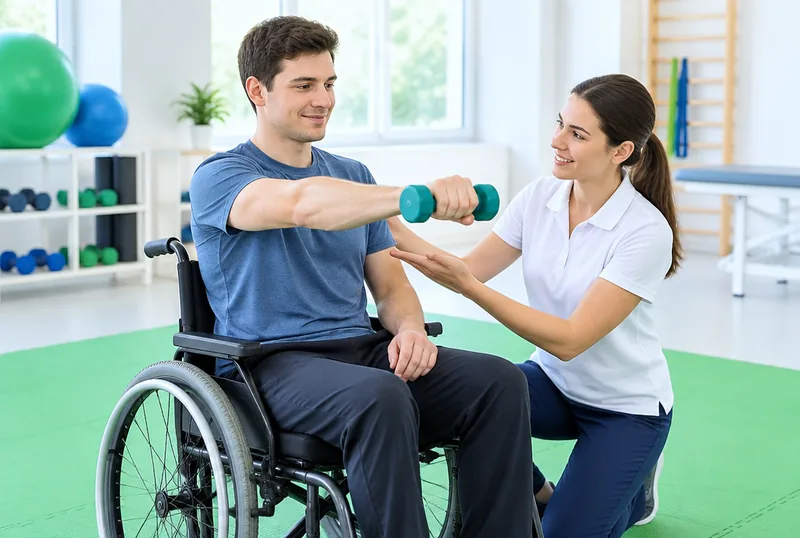
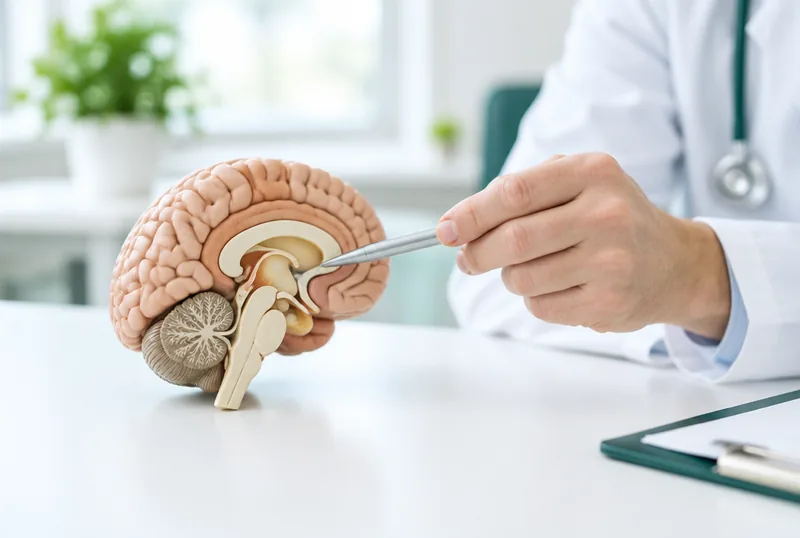
Patients who need at least three hours of therapy a day and round-the-clock nursing are admitted as inpatients, typically for two to four weeks. Each day combines physical therapy (mobility, strength, walking), occupational therapy (dressing, cooking, using the hands), speech-language therapy (speech, swallowing, cognition) and medical management by a physiatrist, a doctor specialised in physical medicine and rehabilitation. Programmes are usually organised by condition: stroke, spinal cord injury, brain injury, pediatric, cancer rehabilitation and pulmonary or cardiac rehabilitation.
Day rehabilitation
Day rehab bridges hospital and home. The patient sleeps at home but attends for several hours a day, several days a week, with the same intensity of therapy as an inpatient. It suits people who are medically stable and have someone at home but still need coordinated, daily treatment.
Outpatient therapy
Outpatient visits, usually one to three times a week, continue for months and target specific goals: driving again, returning to work, sport, or managing spasticity and pain. Specialised outpatient clinics cover asthma and pulmonary rehabilitation, cancer-related fatigue and lymphoedema, transplant recovery, prosthetics and orthotics, wheelchair seating and assistive technology.
The team and the family
Rehabilitation is a team activity. Besides the therapists and the physiatrist there are rehabilitation nurses, neuropsychologists, social workers or case managers who arrange discharge and insurance, dietitians and, increasingly, peer mentors who have lived through the same injury. Family training is part of the programme: relatives learn transfers, medication schedules and what to expect at home. Volunteer and community programmes, support groups and adaptive sports keep patients connected after discharge.
This site is an independent reference on rehabilitation medicine. It is not affiliated with any hospital; in Chicago the former Rehabilitation Institute of Chicago has operated as the Shirley Ryan AbilityLab since 2017.